Upcoming Retreats
Select one of our retreats below for more info on where the retreat will take place and what topics will be covered at each retreat.
Check back soon for more upcoming retreats.
-
 May 9-13, 2024
 -
 August 18-23, 2024
 -
 November 7-11, 2024
Past Retreats
Select one of our previous retreats below and see how it went! See pics, testimonials and more of what our retreat goers experienced at the retreat. If you’re interested in attending one of these retreats, click on a retreat above.
-
 April 12-14, 2024
 -
 August 20-25, 2023
 -
June 25-30, 2023
-
April 14-16, 2023
-
 March 24-26, 2023
 -
 November 2-6, 2023
 -
 April 15 - 17, 2022
 -
July 18 - 23, 2021
-
June 19 - 24, 2022
-
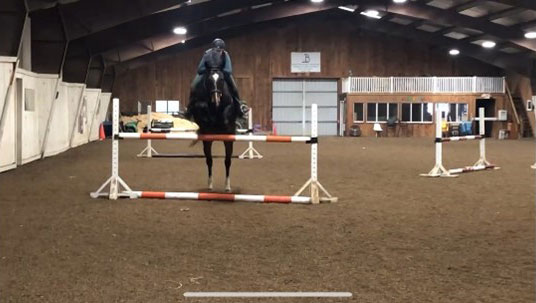 July 8th, 15th, 22nd & 29th from 4-9PM
 -
Aug 29 - Sept 4, 2021
-
 August 21 - 26, 2022
 -
 September 24 - 26, 2021
 -
 October 1 - 3, 2021
 -
August 23 - 28, 2020
-
 October 18-20, 2019
 -
 September 20-22, 2019
 -
 September 7, 2019 @ 10AM
 -
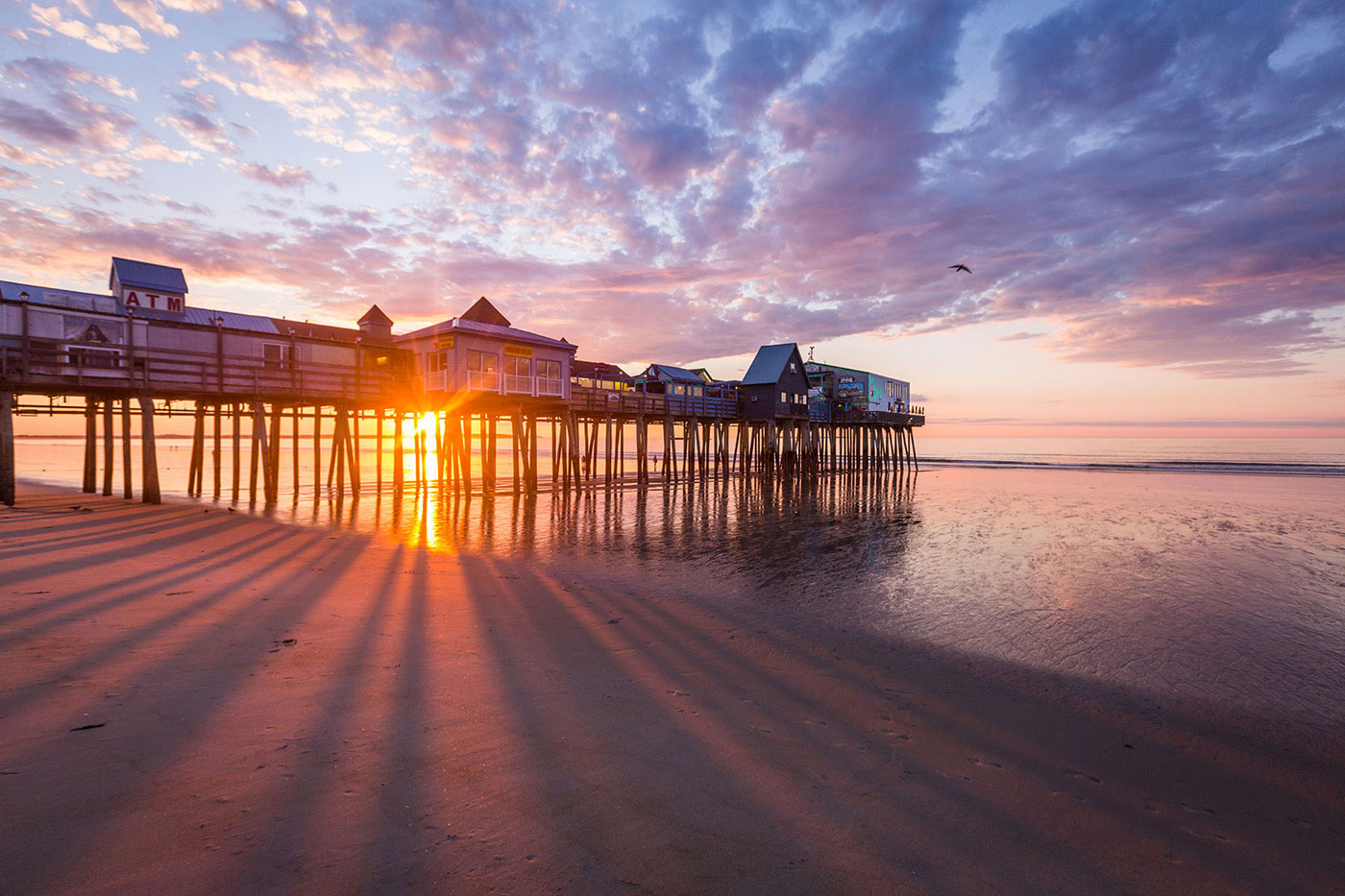 August 25-30, 2019
 -
 July 7-12, 2019
 -
 June 14-16, 2019
 -
 May 24-26, 2019
 -
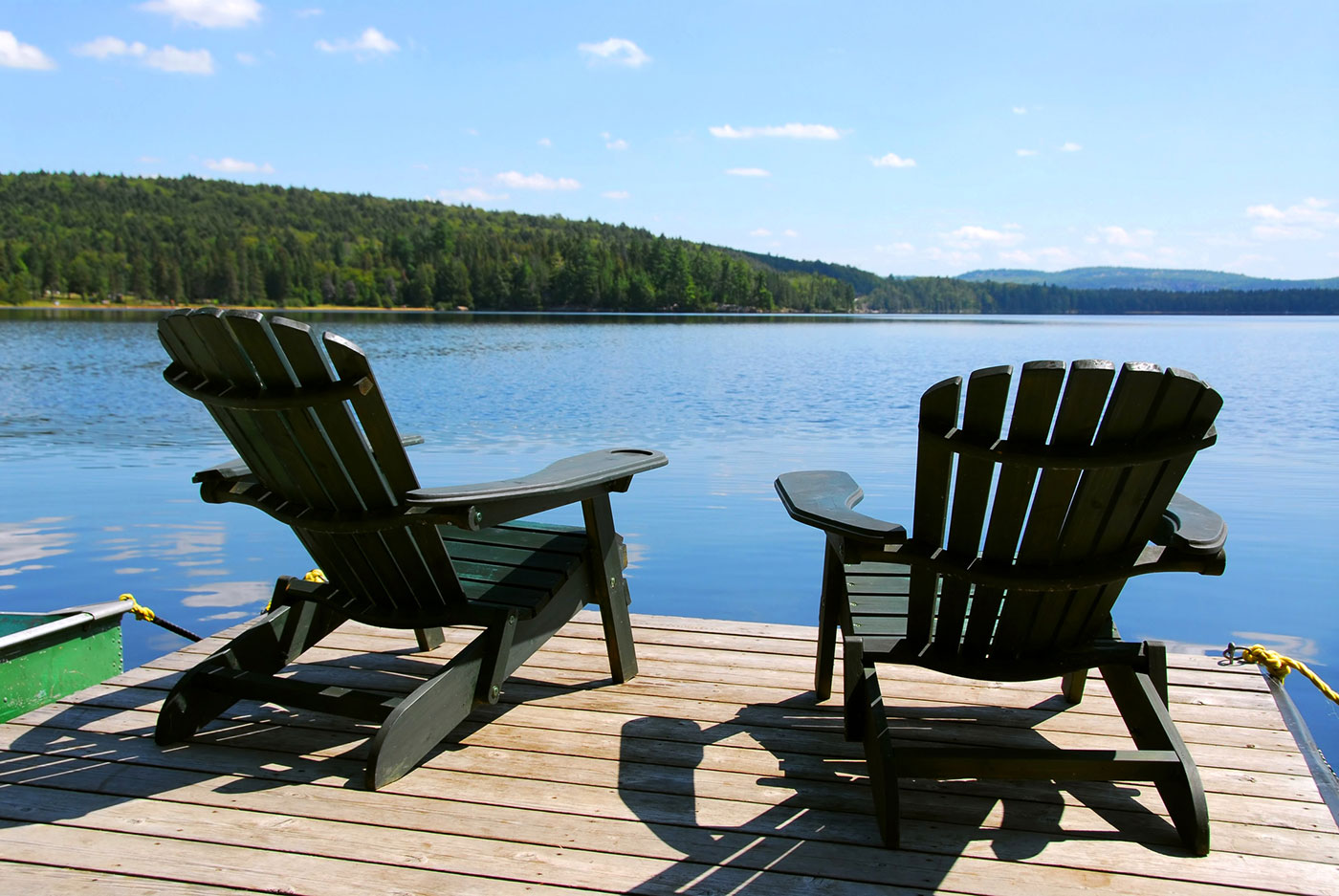 April 19-21, 2019